
Understanding Cedar Fence Lifespan Expectations
Cedar fences are a popular choice for homeowners. They offer natural beauty and impressive durability. But how long should a cedar fence last? Understanding the cedar fence lifespan is crucial. It helps in making informed decisions about installation and maintenance. If you're asking how long should a cedar wood fence last, the sections below outline the key variables that influence results.
Cedar fences can last many years with proper care. Factors like climate and installation quality play a significant role. Regular maintenance (cedar fence care) can extend the life of your cedar fence. Simple actions like sealing and staining are effective.
This guide will explore cedar fence lifespan expectations. Learn how to maximize the durability of your cedar fence.
What Makes Cedar Fences Unique?
Cedar fences stand out for their natural appeal. They have a warm color and rich texture. These qualities enhance any landscape effortlessly.
One of cedar's key features is its resistance to decay. This wood naturally contains oils that deter insects. Such properties make cedar a strong choice for outdoor use.
Beyond aesthetics, cedar offers several practical benefits. Here are some reasons homeowners choose cedar fences:
- Durability in various climates
- Resistance to warping and shrinking
- Eco-friendly and biodegradable
Furthermore, cedar fences require less maintenance than many other wood types. This adds to their long-term value and appeal, supporting a dependable cedar wood lifespan.
Looking for more information on Cedar Fences? Click here to learn more!
How Long Should a Cedar Fence Last?
Cedar fences are known for their impressive lifespan. On average, they can last between 15 to 30 years. This lifespan depends largely on upkeep and conditions.
Several factors contribute to a cedar fence's longevity:
- Quality of the wood used
- Installation precision and technique
- Environmental impacts, like weather and soil
Routine maintenance can play a vital role in its lifespan. Tasks like sealing and staining protect against elements. Proper care can keep a cedar fence standing strong for decades.
How Long Should a Western Cedar Fence Last?
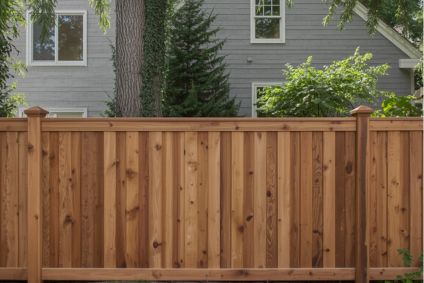
Western Red Cedar is famous for its durability. This type of cedar fence can endure 20 to 30 years with good care. Its natural resistance to rot and insects offers additional longevity.
High-quality installation and routine maintenance can further extend the lifespan. It's wise to choose Western Red Cedar for its reliability and enduring beauty. If you're comparing how long should a western cedar fence last to other wood types, Western Red Cedar often leads due to its natural oils and stability.
Key Factors Affecting Cedar Fence Lifespan
A cedar fence's longevity hinges on several critical factors. Understanding these can help in ensuring lasting value. Environmental conditions are among the most influential factors.
Proper installation is crucial as well. An expertly installed fence is less likely to face premature issues. Maintenance routines also play an essential role in longevity.
Here are key factors to keep in mind:
- Climate and weather exposure
- Quality of cedar wood and installation
- Soil drainage around the fence
Considering these will assist in extending the life of your cedar fence.
Climate and Environmental Conditions
Climate can greatly impact cedar fence lifespan. Constant exposure to harsh weather can lead to faster wear. Areas with high humidity might see increased moisture-related damage.
Consider these climate-related factors:
- Extreme temperatures causing expansion and contraction
- Rain and moisture exposure accelerating rot
- Intense sun causing fading without UV protection
Understanding the local climate helps in preparing your cedar fence for longevity.
Soil and Drainage Considerations
Soil quality impacts the durability of cedar fences as well. Poor drainage increases water exposure, causing faster decay. Ensure the soil around your fence has good drainage.
Key soil considerations include:
- Proper grading to direct water away
- Avoiding pooling water at fence posts
- Choosing materials suited for variable soil conditions
Proper soil management mitigates unnecessary wear from moisture.
Quality of Cedar and Installation
The choice of cedar wood significantly affects the fence's life. High-quality cedar resists decay and insects naturally. Look for premium-grade cedar for optimum performance.
The installation process matters too. Poorly installed fences face early structural issues. Ensure alignment and post stability for lasting results.
Selecting both quality materials and professional installers ensures a sturdy, long-lasting fence.
Cedar Fence Care: Maintenance Tips for Longevity
Regular cedar fence care enhances your fence's lifespan significantly. Simple care routines can prevent major issues. Dedication to maintenance saves both time and money.
Begin with consistent cleaning practices. This prevents mold and mildew buildup over time. Regular inspections help catch small problems early.
Key maintenance tips include:
- Routine cleaning to remove debris
- Applying protective stains and sealers
- Immediate repair of any noticeable damage
Maintaining a cedar fence doesn't require exhaustive effort. Small actions, repeated consistently, yield lasting results.
Cleaning and Inspecting Your Cedar Fence
Cleaning a cedar fence is quite straightforward. Regularly wash it with water and a mild cleanser. This removes dirt, preventing discoloration and decay.
Inspection is equally crucial. Look for signs of rot or insect damage often. Early detection allows for prompt repairs.
Focus on these inspection areas:
- Loose or damaged boards
- Rot or insect entry points
- Overall stability and alignment
Regular checks ensure your fence remains in top condition.
Sealing, Staining, and UV Protection
Sealing and staining provide vital protection. They shield the wood from moisture and sun damage. This helps maintain the fence's strength and appearance.
Selecting the right products is important. Choose a sealer with UV protection and a stain that complements your landscape. Reapply these products every few years to ensure longevity.
Consider these protective measures:
- Use high-quality sealants for moisture protection
- Opt for UV-blocking stains for sun resilience
- Schedule regular application intervals
These steps keep your cedar fence vibrant and durable.
Repairing and Replacing Damaged Sections
Timely repairs are crucial for fence longevity. Address issues like loose boards or rotting sections promptly. Small fixes can prevent costly, large-scale replacements.
Replace severely damaged sections as necessary. Using the same type of cedar ensures uniformity. Immediate action stops damage from spreading.
Taking these steps ensures your fence remains strong and appealing throughout its intended lifespan.
Cedar Fence Installation Cost and Value
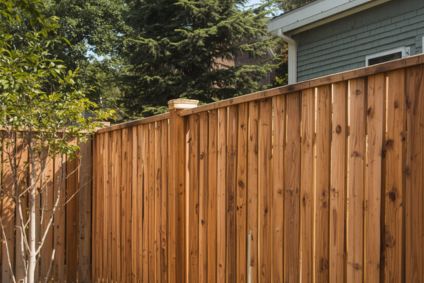
Cedar fence installation cost involves several components. These may include labor, materials, and design complexity. Expect initial costs to be higher than some alternatives.
However, cedar fences offer excellent value over time. Their durability minimizes frequent repairs or replacements. This makes them a sound investment for homeowners.
Factors influencing installation costs:
- Length and height of the fence
- Geographical location and labor rates
- Additional features like gates or decorative elements
Choosing cedar for fencing pays off in the long run. Its longevity and low maintenance needs contribute to overall property enhancement. A well-installed cedar fence offers both practical and aesthetic benefits, justifying the upfront expenditure.
Comparing Cedar Fence Lifespan to Other Materials
Cedar fences stand out for their longevity. While wood such as pine or spruce lasts 5-12 years, cedar lasts longer. Its inherent resistance to decay contributes to this.
Metal fences, like aluminum, can last over 30 years. However, they lack the natural aesthetic appeal of cedar. Vinyl fences also boast longevity but may fade over time.
Key considerations when comparing:
- Natural appearance
- Maintenance requirements
- Environmental impact
The choice depends on priorities like aesthetics, durability, and budget. Cedar offers a unique blend of natural beauty and durability, making it a popular choice for many homeowners. Balancing cost with desired lifespan and appearance is essential in the decision-making process.
Choosing the Right Fence Installation Companies Near You
Selecting the right company ensures your cedar fence is installed correctly. Researching local fencing companies is a crucial first step. Verify their credentials and read customer reviews to gauge reliability. When building your shortlist, search online for phrases like 'fencing companies near me', 'fence companies near me', or 'fence installation companies near me' to compare options and gather quotes.
Factors to consider when selecting a company:
- Experience with cedar fences
- Warranty offered
- Customer satisfaction ratings
Consulting with different providers will give you varied insights. This way, you can make an informed choice based on services and pricing.
Southlake Cedar Fence Installation: Local Considerations
For southlake cedar fence installation, consider local climate challenges that include sun exposure, heavy rain, and soil movement. Choose a company familiar with these conditions for optimal results.
Local expertise can significantly impact the fence's lifespan. Aligning with professionals who know the area is beneficial. This ensures your cedar fence withstands environmental factors unique to Southlake.
Frequently Asked Questions About Cedar Fence Durability
Cedar fence durability often prompts specific inquiries from homeowners. Addressing these common questions can clarify your understanding.
A few frequent questions include:
- How often should I seal my cedar fence?
- What weather conditions are harshest on cedar?
- Can cedar fences withstand pest infestations?
Knowing the answers can significantly help in maintaining your fence's integrity. Proper care ensures longevity even in challenging environments. Always consult experts for specific guidance tailored to your locale and fence setup.
Conclusion: Maximizing Your Cedar Fence Lifespan
Understanding cedar fence lifespan expectations helps plan for maintenance. With the right care, your fence can last decades.
Regular upkeep like cleaning and sealing plays a vital role. These steps help defend against weather and wear.
Choosing quality materials and professional installation further enhances longevity. By combining these efforts, you can enjoy a beautiful, durable cedar fence for many years to come.
Q&A
Question: How long should a cedar fence last, and what determines where you land in the 15–30 year range?
Short answer: On average, cedar fences last 15 to 30 years. Where your fence falls in that range depends on the quality of the cedar, how precisely it’s installed, your local climate and soil conditions, and how consistently you maintain it. Regular cleaning, prompt repairs, and periodic sealing/staining protect against moisture and sun, helping the fence stay strong for decades.
Question: How long should a Western Red Cedar fence last?
Short answer: Western Red Cedar typically endures 20 to 30 years with good care. Its natural oils and stability make it highly resistant to rot and insects, which is why it often outperforms other wood types. Quality installation and routine maintenance can further extend its service life while preserving its appearance.
Question: What maintenance steps most effectively extend a cedar fence’s lifespan?
Short answer: Focus on three essentials: keep it clean, protect it, and fix issues fast. Wash periodically with water and a mild cleanser to prevent mold and discoloration; inspect for loose boards, rot, insect activity, and alignment problems; and apply protective stains/sealers with UV protection, reapplying every few years. Addressing damage promptly prevents small problems from spreading.
Question: How do climate and soil drainage impact cedar fence longevity?
Short answer: Harsh weather accelerates wear: extreme temperatures cause expansion and contraction, frequent rain and humidity increase rot risk, and strong sun fades unprotected wood. Poor drainage compounds moisture exposure, especially around posts. Grading to direct water away, preventing pooling, and ensuring materials and installation suit your soil conditions all help the fence last longer.
Question: Is a cedar fence worth the higher upfront cost compared with other materials?
Short answer: Often, yes. While cedar can cost more to install, its durability and relatively low maintenance deliver strong long-term value and curb appeal. Compared with other options, cedar generally outlasts pine or spruce (often 5–12 years), while metal (like aluminum) can exceed 30 years but lacks cedar’s natural look, and vinyl offers longevity but may fade. Final value depends on your priorities for aesthetics, maintenance, and budget, as well as project specifics like fence size, local labor rates, and added features.
Looking to install a cedar fence in Southlake TX? Contact us today!
