
What is the best type of wood for pergolas
Building a pergola can transform your outdoor space. It adds both shade and style to your garden or patio.
Choosing the right wood for pergolas is crucial for your pergola's longevity and appearance. If you're wondering what type of wood is best for a pergola, the answer depends on your climate, budget, and preferred maintenance level. Different woods offer varying benefits and challenges.
Cedar and redwood are popular for their natural resistance to decay and insects. They also provide a beautiful finish. Pressure-treated pine is a budget-friendly option but requires more maintenance. Tropical hardwoods like ipe and teak offer luxury and durability.
The cost of wood and installation can vary widely. It's important to consider your budget and design preferences. This guide will help you choose the best wood for your pergola project.
Understanding Pergolas: Function and Design
Pergolas are versatile structures that enhance any outdoor area. They offer both shade and a unique aesthetic touch.
These structures can define spaces, creating intimate retreats or dining areas. They often serve as focal points in garden designs.
Understanding the different types of pergolas helps in selecting the right one for your needs. Common types include:
- Freestanding Pergolas: Stand alone without attaching to other structures.
- Attached Pergolas: Connect to the side of a house or building.
- Retractable Pergolas: Feature movable canopies for adjustable shade.
Choosing a pergola design involves considering your landscape and architectural style. Simple lines suit modern homes, while ornate designs complement traditional spaces. Regardless of style, pergolas offer functionality and aesthetic value.
Key Factors When Choosing Pergola Wood
Selecting the right wood for your pergola is crucial. Factors such as durability, aesthetics, and cost must be considered.
Durability is key when choosing wood. Some woods resist decay and insects better than others. You should factor in local weather conditions too.
Aesthetic appeal is another consideration. The wood's color, grain, and texture should complement your outdoor design. Whether you prefer a natural look or plan to paint, your wood choice matters.
Finally, cost is a decisive factor. Some woods have higher initial costs but offer longevity, reducing long-term expenses. Consider all factors carefully, like:
- Durability and Weather Resistance
- Aesthetic and Style Preferences
- Initial and Long-term Costs
By evaluating these aspects, you can ensure a well-suited wood choice for your pergola.
Top Pergola Wood Types: Pros, Cons, and Best Uses
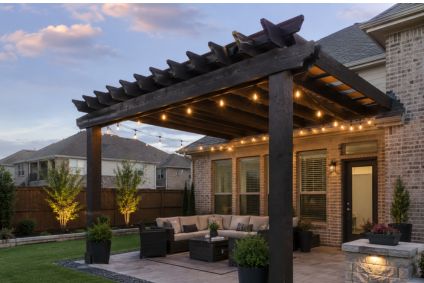
Selecting wood for your pergola involves evaluating various options. Comparing common pergola wood types can clarify trade-offs in cost and care. Each wood type has unique benefits and drawbacks.
Cedar is often chosen for its natural resilience and pleasant scent. However, it may have a higher cost compared to other woods.
Redwood is valued for its rich color and durability. Though it can be expensive, its aesthetic appeal is unmatched.
Pressure-treated pine offers affordability and availability. It requires more maintenance than other wood types.
Tropical hardwoods, such as ipe and teak, provide luxury and longevity, but come at a premium price. Ideal for lavish outdoor designs.
Here's a breakdown of these woods:
- Cedar: Great resilience, higher cost
- Redwood: Beautiful color, expensive
- Pressure-treated Pine: Budget-friendly, high maintenance
- Tropical Hardwoods: Durable, premium cost
Understanding these traits helps you choose the best pergola wood for your needs.
Cedar: The Classic Choice
Cedar is a top choice for pergolas. It's known for its natural resistance to insects and decay, making it long-lasting.
The wood's aromatic scent adds appeal, and its natural oils help deter pests. Cedar weathers beautifully, developing a charming patina over time.
While cedar can be pricier than treated pine, its minimal maintenance offsets the cost. A cedar pergola can enhance the aesthetic of any garden.
Cedar's lightweight nature makes it easier to work with during installation. This wood type ensures both elegance and practicality, making it a classic pergola choice.
Redwood: Rich Color and Durability
Redwood stands out for its rich, warm color and durability. It's a popular choice for those seeking an elegant look.
Naturally resistant to insects and decay, redwood ensures longevity. This quality makes it a sound investment for outdoor structures.
Though it comes with a higher price tag, the stunning visual appeal justifies the expense. Redwood pergolas are both functional and beautiful, ideal for enhancing any outdoor space.
Pressure-Treated Pine: Budget-Friendly Option
Pressure-treated pine is a cost-effective pergola wood. Its affordability makes it accessible for many homeowners.
The wood undergoes chemical treatment to resist rot and insects. However, it may warp over time and requires frequent maintenance.
Regular sealing and staining are crucial to extending its lifespan. Despite these needs, it remains a practical choice for budget-conscious projects.
Handling and installation are straightforward, making it perfect for DIY enthusiasts. Its versatility and low price point attract many looking to build a pergola without breaking the bank.
Tropical Hardwoods: Ipe and Teak for Luxury Pergolas
Tropical hardwoods such as ipe and teak offer exceptional durability. Their high density makes them resistant to weather and pests.
Ipe is known for its strength and can withstand harsh climates. Teak boasts natural oils that protect against water, making it perfect for luxury designs.
Ipe's resistance to wear makes it a top choice for outdoor projects. Teak provides a refined, elegant appearance with minimal maintenance.
Tropical hardwoods are excellent for those seeking luxury pergolas. Keep in mind:
- Ipe: Extremely durable, less maintenance
- Teak: Natural oils, water-resistant
- Higher initial cost, long-term value
Both wood types promise luxury and performance, elevating any outdoor space with their premium features.
Comparing Pergola Wood Types: Durability, Maintenance, and Cost
Choosing the right wood for your pergola involves weighing several factors. Durability, maintenance, and cost are key considerations.
Durability: Hardwoods like ipe and teak offer unmatched longevity. Cedar and redwood follow closely with their natural resistance to decay.
Maintenance: Cedar and redwood require less frequent care. Pressure-treated pine, on the other hand, demands more attention to prevent warping.
Cost: Tropical hardwoods come at a premium. Cedar and redwood sit mid-range, while pressure-treated pine is the most economical.
Here's a quick comparison:
- Durability: Ipe and teak excel
- Maintenance: Cedar and redwood are low maintenance
- Cost: Pine is budget-friendly, exotic options are costly
Carefully assess these factors to find the pergola wood that fits your needs and budget.
Pergola Installation Cost: What to Expect
Installing a pergola is a significant investment. Costs can fluctuate based on various factors, including size and design. Wood type also plays a crucial role in determining expenses.
For a basic pergola, expect a lower range. More elaborate designs with quality wood or custom features will elevate the cost. The complexity of assembly can require professional help, adding to the budget.
Here's a rough estimate of costs:
- Basic design with pine: $2,000 - $4,000
- Mid-range with cedar/redwood: $4,000 - $6,000
- Luxury with teak/ipe: $7,000 and above
by Dan Begel (https://unsplash.com/@danbegel)
Plan carefully to balance aesthetic preferences with your budget. Expert installation can maximize durability and enhance the structure's overall value.
Luxury Pergolas Outdoor Design: Materials and Features
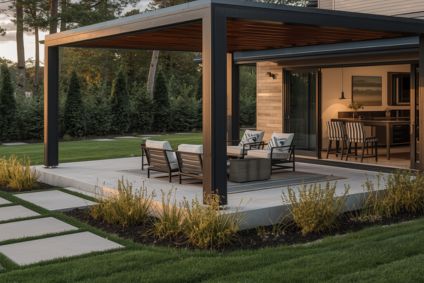
Luxury pergolas transform ordinary spaces into elegant retreats. These structures often boast high-end materials and intricate craftsmanship. They are designed to impress while offering functionality.
Exquisite materials like ipe and teak define luxury pergolas. These woods not only enhance aesthetics but also assure exceptional durability. Quality materials can significantly influence the luxury pergola cost. In luxury pergolas outdoor design, details such as proportion, finish, and integrated features make a striking difference.
Key features of luxury pergolas include:
- Built-in seating and lighting
- Retractable canopies for weather control
- Decorative beams and latticework
Combining these features with natural wood tones creates an inviting outdoor sanctuary. Embrace these design elements to enhance your outdoor space with style and sophistication.
Maintenance Tips for Long-Lasting Pergolas
Proper maintenance is crucial to prolonging the life of your pergola. Regular care can prevent damage from environmental factors.
Sealing the wood is essential to protect it from moisture and UV rays. This step helps maintain its appearance and structural integrity.
For continued durability, follow these maintenance tips:
- Clean the wood with mild soap and water regularly
- Inspect for signs of rot or insect damage periodically
- Reapply sealant or stains as needed
Implementing these practices ensures your pergola remains a stunning feature in your outdoor space for years.
Frequently Asked Questions About Pergola Wood Choices
Choosing the right wood for your pergola can be challenging. Many homeowners have questions about materials, maintenance, and costs.
Here are some common inquiries:
- What is the most durable wood for pergolas?
- How often should I reseal my wood pergola?
- Is tropical hardwood worth the investment for luxury designs?
These answers can guide you in making informed decisions for your pergola project.
Conclusion: Choosing the Best Wood for Your Pergola Project
Selecting the right wood is crucial for a beautiful and lasting pergola. Consider factors like durability, aesthetics, and budget.
Investing time in choosing the best wood will result in a stunning outdoor space. Your choice will enhance your home's appeal and function. A well-chosen wood pergola can elevate your garden for years.
Q&A
Question: Which wood type is the most durable for a pergola?
Short answer: Tropical hardwoods like ipe and teak offer the best longevity. They’re extremely dense, naturally resist weather and pests, and require relatively little maintenance. Cedar and redwood also perform well thanks to their natural resistance to decay and insects, but they sit just behind ipe and teak in overall durability.
Question: What’s the most budget-friendly wood for a pergola, and what are the trade-offs?
Short answer: Pressure-treated pine is the most economical choice and is widely available, making it popular for basic designs and DIY builds. The trade-offs are higher ongoing maintenance—regular sealing and staining—and a greater tendency to warp over time compared with cedar, redwood, or tropical hardwoods.
Question: If I want low maintenance, which woods should I consider?
Short answer: Cedar and redwood are reliable low-maintenance options because of their natural resistance to decay and insects. Tropical hardwoods (ipe and teak) also demand relatively little upkeep due to their density and natural oils, though they come at a premium price. Pressure-treated pine requires the most ongoing care to keep it looking good and structurally sound.
Question: How much should I expect to spend on a pergola based on wood type?
Short answer: Costs vary with size, design complexity, and materials, but general ranges are: basic designs with pine at $2,000–$4,000; mid-range builds with cedar or redwood at $4,000–$6,000; and luxury projects using teak or ipe at $7,000 and above. More intricate designs or professional installation can increase the total.
Question: What maintenance helps a pergola last longer?
Short answer: Keep it clean, protected, and inspected. Regularly wash with mild soap and water, seal the wood to guard against moisture and UV exposure, check periodically for rot or insect damage, and reapply stains or sealants as needed based on wear and local weather conditions. This routine preserves both appearance and structural integrity.
Contact us today to schedule your Pergola Design Consultation!
